1. Historia y Contexto: El Nacimiento de una Disciplina
Una breve historia de origen para entender por qué surgieron los Estudios de Paz y por qué siguen siendo relevantes.
Historia de Origen: Post-Segunda Guerra Mundial y la Guerra Fría
Mediados del siglo XX introdujo riesgos existenciales—escalada nuclear, confrontación ideológica global y vulnerabilidad civil masiva. Académicos y profesionales respondieron construyendo un campo dedicado a comprender la paz tan rigurosamente como la guerra.
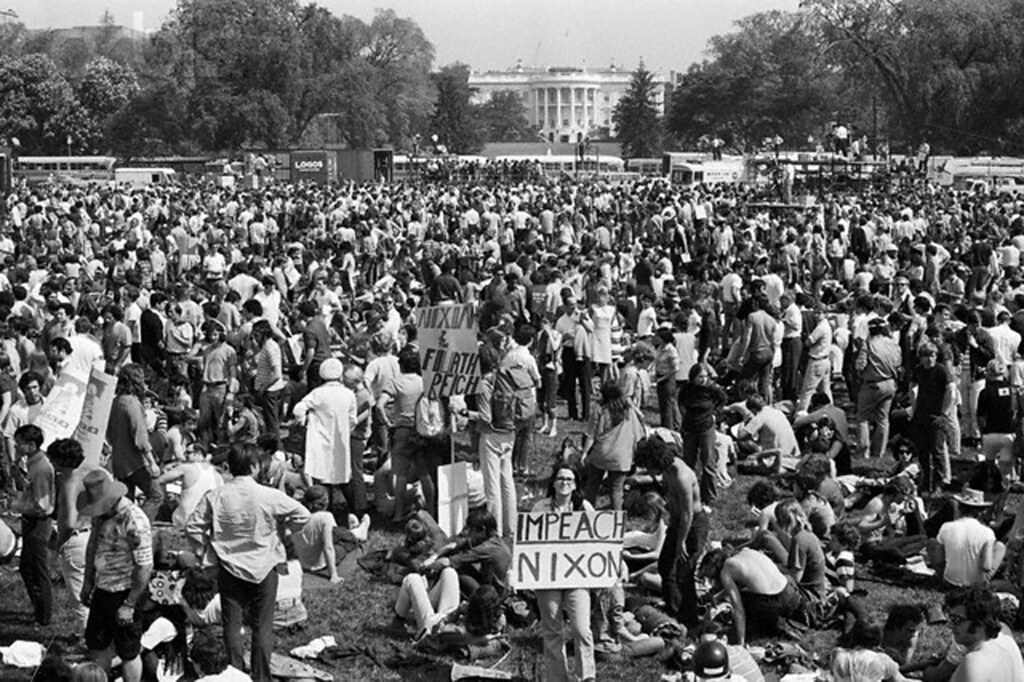
"Peace research was born at the intersection of peace activism and the emergence of modern social science. Although war and peace have always been key issues in the field of international relations (Kant, 1795/1991; Knutsen, 1997), it was only in the 1950s that calls arose for the systematic investigation of the conditions of peace as a special academic field or even a separate discipline. We are unable to identify the first person to use the term 'peace research', but Johan Galtung – the founder of PRIO and of this journal – was certainly an early user in a pacifist manifesto published in Norwegian (Galtung, 1959). At the time, backed by a double master's degree from the University of Oslo in statistics and sociology, Galtung was an instructor in sociology at Columbia University. At the same time he was active in the Norwegian section of War Resisters' International, which also published his book. One of the chapters called for the establishment of peace research institutes, in Norway and internationally. PRIO was founded in 1959 as the 'Section for Conflict and Peace Research' of the Institute for Social Research."
From Gleditsch et al. in Peace research – Just the study of war?. Read more here.
Irenología Definida: Eirene (Paz) + Logos (Estudio)
La irenología trata la paz como un fenómeno multifactorial: amenazas a la paz, condiciones para la armonía y las interacciones sistémicas entre individuos, comunidades e instituciones.
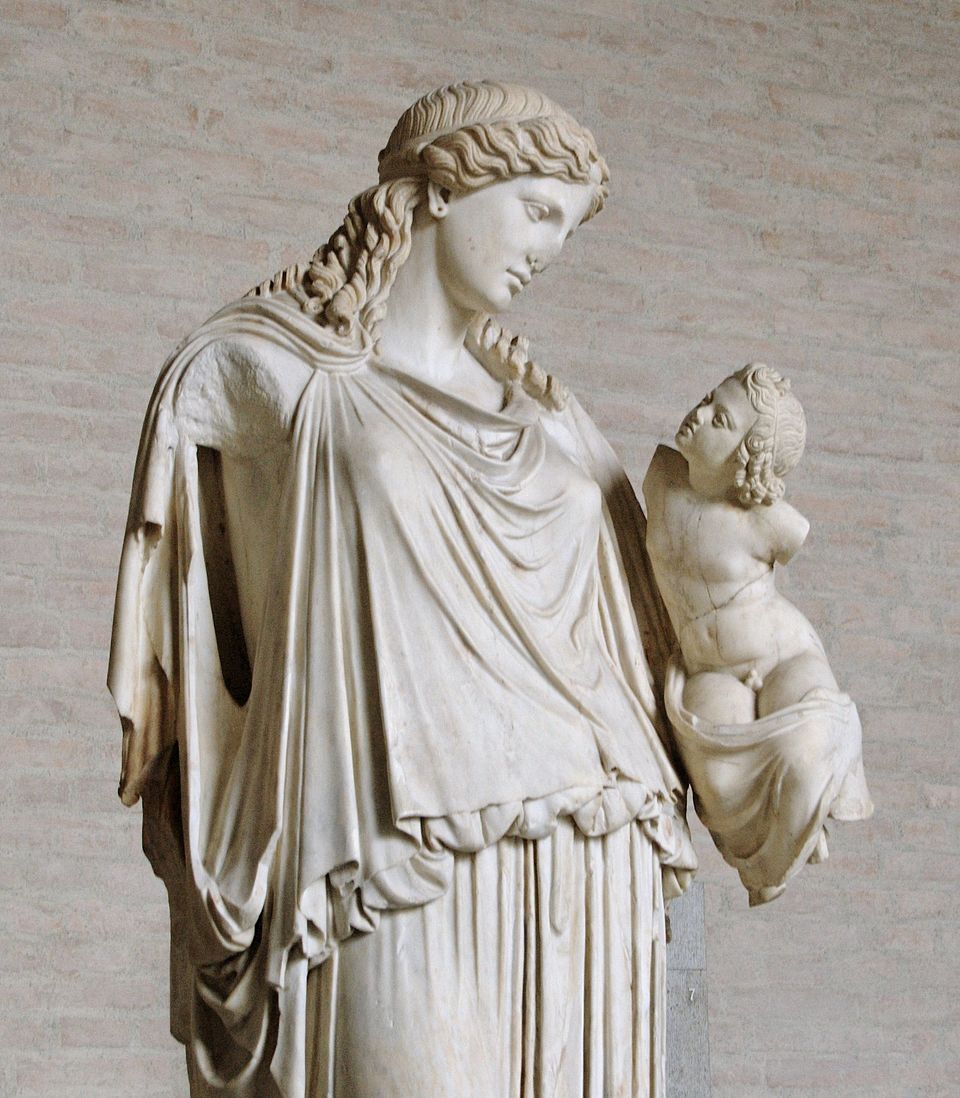
"Whereas there have been different approaches to studying peace, contemporary Western peace studies (or irenology, from the Greek "Irene," the goddess of peace) focuses on the analysis, prevention, de-escalation, and solution of conflicts by peaceful or nonviolent means, thereby seeking satisfactory outcomes for all parties involved, rather than winners and losers. This is in contrast to traditional international and so-called security studies, which focus on factors leading to victory or defeat in conflicts waged principally by violent means and to the increased or decreased "security" of one—but typically not all—of the parties involved. Because peace studies investigates the reasons for and outcomes of large- and small-scale conflicts, as well as the preconditions for peace, the discipline is also known as peace and conflict studies (PCS). Its focus allows one to examine not only war but also the various forms of violence, including structural violence—notably social oppression, discrimination, exploitation, and marginalization—while also addressing the effects of political, cultural, and physical violence. The rigorous analysis of peace and conflict lends itself, as well, to the assessment and promotion of various peacemaking strategies, in response to growing popular alarm about the many perils facing today's world."
From David P. Barash and Charles P. Webel in Peace and Conflict Studies (5th Edition): Barash, D. P., & Webel, C. P. (2021). Peace and Conflict Studies (5th ed.). SAGE Publications.
El Mandato de UPAZ: Una universidad para la ciencia de la paz
UPAZ fue establecida para cultivar académicos y prácticas orientadas a prevenir la violencia, fomentar la justicia y desarrollar las habilidades para construir paz sostenible.

On 5 December, 1980, the General Assembly of the United Nations adopted Resolution 35/55 which sets out in its annex the International Agreement for the Establishment of the University for Peace. The Charter of the University is an integral part of that agreement. Forty-one (41) countries have become Signatory States to the UPEACE Charter.
The University is established with a clear determination to provide humanity with an international institution of higher education for peace and with the aim of promoting among all human beings the spirit of understanding, tolerance and peaceful coexistence, to stimulate cooperation among peoples, and to help lessen obstacles and threats to world peace and progress, in accordance with Article 2 of its Charter.
Recursos y Materiales Adicionales
Videos y materiales para expandir conceptos e ideas.
2. Anatomía de la Violencia
La violencia tiene capas visibles y ocultas; la paz debe abordar todas.
Violencia: Una espiral que se repite
La violencia puede ser visible e invisible, pero es nuestro deber comprenderla y abordarla. La violencia siempre trae más violencia.
"La violencia es cualquier insulto evitable a las necesidades humanas básicas y, más generalmente, a la vida sensible de cualquier tipo, definida como aquella capaz de sufrir dolor y disfrutar el bienestar. La violencia reduce el nivel real de satisfacción de necesidades por debajo de lo que es potencialmente posible."
Violencia Directa: El acto visible
Golpes, insultos, guerra—eventos que podemos señalar y contar.
Violencia Estructural: El sistema oculto
Pobreza, discriminación legal, falta de acceso—daño estructurado integrado en instituciones y normas.
Violencia Cultural: La justificación
Prejuicios, "así son las cosas," justificaciones religiosas o nacionalistas que normalizan el daño.
Recursos y Materiales Adicionales
Videos y materiales próximamente. Espacio reservado para videos embebidos y materiales descargables.
Espacio para video 2
Verificación Rápida
Realización Clave: La paz requiere desmantelar la violencia estructural y cultural, no solo detener la violencia directa.
3. ¿Qué es la Paz? (El Caleidoscopio)
Múltiples lentes, un hilo: interdependencia y gestión constructiva de la diferencia.
Perspectivas Diversas: Filosóficas, Sistémicas, Comunitarias
- Filosófica/Religiosa — armonía interna; ideas como Shalom/Salaam.
- Sistémica — sistemas equilibrados donde las partes funcionan de manera sostenible.
- Communal — the quality of relationships (e.g., Lederach’s “Enredos”).
Patrones: Encontrando el hilo común
A través de perspectivas, la interdependencia y el compromiso constructivo con la diferencia recurren como condiciones para una paz duradera.
Paz Negativa vs. Positiva: La distinción central
La Paz Negativa reduce el daño visible; la Paz Positiva construye sistemas que previenen el daño.
Recursos y Materiales Adicionales
Videos y materiales próximamente. Espacio reservado para videos embebidos y materiales descargables.
Espacio para video 1
Espacio para video 2
4. El Desafío Epistemológico: ¿Podemos estudiar la "Nada"?
Si la paz se define por lo que no sucede, ¿cómo la observamos?
Midiendo lo Invisible: Más allá de la "ausencia de guerra"
Las métricas construidas solo sobre eventos violentos subestiman la paz. Los no-eventos son difíciles de observar; nos desplazamos hacia indicadores de resiliencia, inclusión y sistemas equitativos.
El Cambio: De contar cuerpos a la Paz Positiva
La Paz Positiva mide la presencia de condiciones que previenen la violencia: instituciones justas, protecciones de derechos, acceso a necesidades básicas y mecanismos confiables de resolución de conflictos.
La Trampa de Descartes: El vocabulario moldea la percepción
Tendemos a ver lo que podemos describir. Expandir nuestro lenguaje—más allá de términos de guerra—nos permite percibir dinámicas y oportunidades de paz.
Additional Resources & Materials
Video lectures and materials coming soon. Placeholder for embedded videos and downloadable materials.
Espacio para video 1
Espacio para video 2
Quick Check
5. Conflicto como Oportunidad
Ya tenemos una demostración separada en otro lugar. Aquí, nos enfocamos en las conclusiones.
La Lógica de la Confianza: La comunicación cambia incentivos
La teoría de juegos ilustra cómo la comunicación y los compromisos creíbles pueden desbloquear la cooperación, evitando trampas donde elecciones "racionales" producen resultados dañinos.
Conflicto vs. Violencia: El conflicto es natural
El conflicto es permanente y puede impulsar el crecimiento cuando se maneja sin violencia. El objetivo es la transformación—cambiar relaciones y sistemas para manejar la diferencia constructivamente.
Additional Resources & Materials
Links to the Prisoner’s Dilemma demo and trust-building exercises will go here. Placeholder for embedded videos and downloadable materials.
Espacio para video 1
Espacio para video 2